Trade Show Booth Engagement Ideas: Turn A Line Into A Contact List
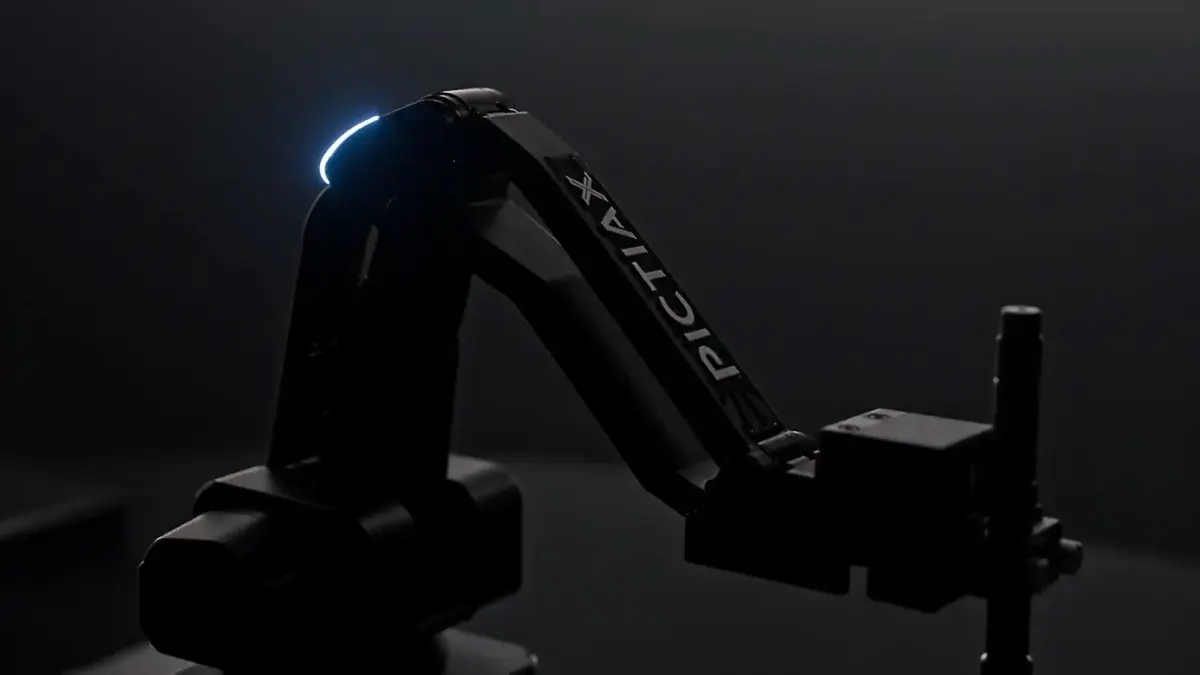
You paid for the floor space, the drayage and the electrician, and the crowd came for the candy. The booth activities that justify the spend end with a name, an email and a reason to call. Here is how a live caricature booth does that, what to measure and what we saw in Amsterdam.
What Makes A Trade Show Booth Activity Bring In Leads?
An activity brings in leads when it does three things: it pulls people out of the aisle, it asks for their details before the reward, and it hands them something with your brand on it. Most booth games manage the first one and stop there.
The cost of the floor makes that gap expensive. The Exhibitor Advocate's 2025 survey of 224 exhibitor manuals across 23 US cities, released in May 2026, puts material handling base rates 21.3 percent above 2022 and electrical overtime labor 41.2 percent above. Every hour on the floor costs more, so an activity that gathers no contacts is harder to defend in the next budget meeting.
| Booth activity | Pulls people from the aisle | Asks for contact before the reward | Brand on the takeaway |
|---|---|---|---|
| Prize wheel or raffle | Yes | Only if you add a form or badge scan | Only if the prize is branded |
| Screen demo or trivia | Sometimes | Usually after the demo | Rarely |
| VR or game station | Yes | Only if a form is built in | Rarely |
| Photo booth | Yes | Only if the software captures contacts | Yes, on the print or digital strip |
| Live robot caricature | Yes, the pen moving is visible from the aisle | Yes, with LeadFlow™ before the drawing starts | Yes, logo, colors and two lines of text inside the portrait |
The table is our reading, not a study. Score your own shortlist against the same three columns before you book anything.
How Does A Caricature Booth Capture Leads?
The guest does everything on their own phone, so nobody waits in front of the robot to be photographed. This is the sequence at the booth:
- The guest scans the event QR code. Nothing to install: it opens in the phone's browser.
- They take the photo and fill in the form you set up for the show (name, email, phone, company, job title, plus your own questions), opting in before the drawing starts.
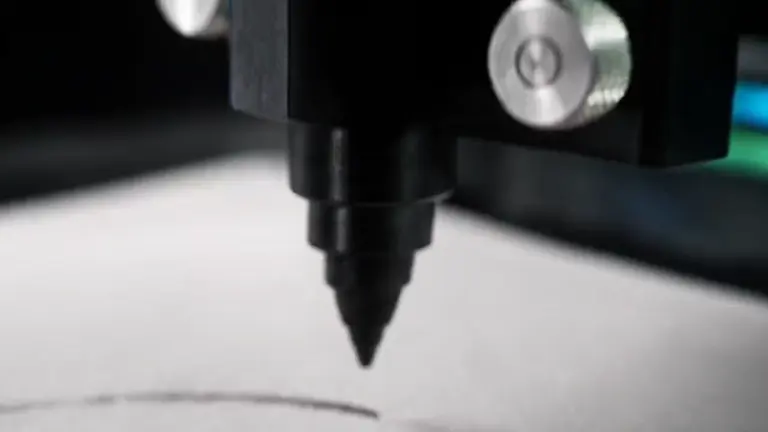
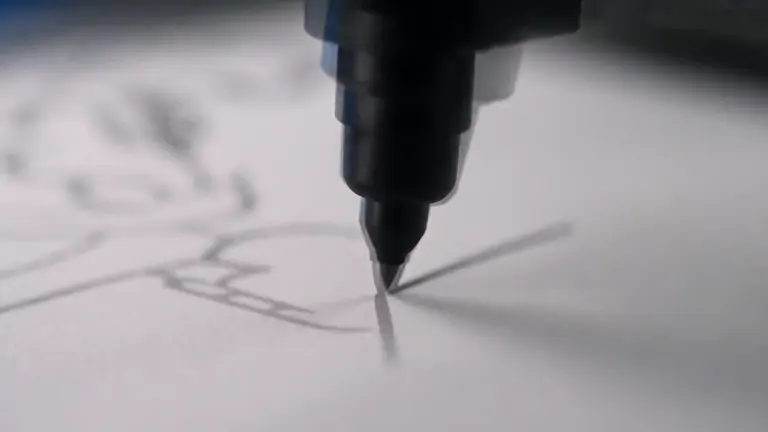
- The AI turns the photo into a line drawing and the arm draws it in pen, in about 60 seconds per portrait.
- The guest takes the paper portrait and gets a digital copy. When the show ends, the contact data downloads.
That capture is LeadFlow™, and you pick one of three modes per event: just the experience, capture contacts, or a full campaign with your own questions, consents and a report. For a trade show you use the last two. The basics of the system are in our guide to the AI caricature booth.
What Did We See With A Robot At PBX Europe In Amsterdam?
We took PictiaX® to PBX Europe in Amsterdam on September 27 and 28, 2026, the photo booth industry's own show. The stand traveled in checked luggage: the tablecloth, the robots and the banner. The team wore hoodies that said ART MEETS INTELLIGENCE.
Over the two days we drew more than 1,000 caricatures. People waited their turn, and the line was part of the show. The robots impressed attendees from Europe and from the United States.
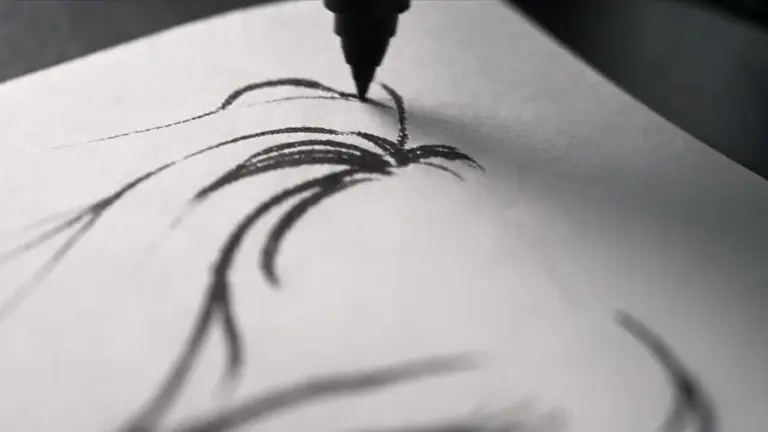
Watching the robots draw live, what stopped people was the continuous line of the stroke. A line that flows looks like drawing, and people stop to watch drawing.
Those 1,000 are drawings, not contacts. A show floor decides how many of them leave a name, and that is the part you can design.
How Fast Can One Robot Work A Show Floor?
A line is an asset until it becomes a wait. Throughput comes from the drawing time. At about 60 seconds per portrait, one arm finishes 50 to 60 portraits an hour.
| Setup | Portraits per hour (ceiling) | In a 6-hour show day |
|---|---|---|
| One arm | 50 to 60 | 300 to 360 |
| Two arms | 100 to 120 | 600 to 720 |
| Up to 6 arms, one license | 300 to 360 | 1,800 to 2,160 |
These are ceilings, not contacts. Guests still have to arrive and your staff still has to talk to them.
Which Settings Keep The Line Moving?
These come from an operator who tested the system at real events in summer 2026, and from product decisions we made because of it:
- Pick caricature over portrait mode. At events people ask for far more caricatures than portraits, and portrait mode also draws the background: a tree behind the guest can triple the drawing time.
- Ask guests to bring the phone close to their face. The guide circle in the app helps, and the result improves.
- Load fine pens, 0.4 mm. Thick ones eat the lines.
- Set the speed to fast, medium or slow. Many event tables move, so you match the setting to yours.
- Turn on auto-send with the timer. It gives you time to change the paper between drawings.
- Leave the final stroke alone. The arm slows down at the end so it does not leave ink blots.
Which Numbers Should You Track At The Booth?
Track contacts per hour and cost per contact. Foot traffic and drawings count only once a name is attached to them. Five numbers cover it:
| Metric | How to calculate it | What it tells you |
|---|---|---|
| Contacts per hour | Contacts with consent ÷ hours the booth was staffed | Whether the activity pulls its weight on the floor |
| Capture rate | Contacts ÷ portraits drawn | Whether the form is too long or the ask comes too late |
| Cost per contact | Total booth cost ÷ contacts | The number to compare with every other lead source |
| Contacted in 48 hours | Contacts you wrote to within two days ÷ contacts | Whether the list is going cold |
| Meetings booked | Meetings from the list ÷ contacts | What the booth was worth |
Here is an example, not a result. A three-day show costs you $12,000 all in. If badge scans and a raffle gather 150 contacts, that is $80.00 a contact. If the caricature flow gathers 400, it is $30.00 a contact.
Those 400 portraits cost $53.65 to $76.00 in PICTICOINS, which brings the top of the range to about $30.19 a contact, and the first 500 portraits are already included in the system. Over 18 staffed hours, 400 contacts is about 22 contacts an hour.
How Do You Follow Up Before The Contacts Go Cold?
Export the data when the show ends and sort it by the answers guests gave. In the full campaign mode you add questions of your own with your own options, such as what the visitor is looking for or when they plan to buy, so the list arrives already sorted by interest.
Our recommendation is to write within 48 hours and mention the portrait in the first line. It is the one thing the visitor took away from your booth that nobody else's booth gave them.
How Can Operators Sell This To Exhibitors?
If you rent photo booths or run activations, your exhibitor clients already ask you for something to fill the booth. Offer it as a lead package: the experience, the form your client chooses and the contact export at the end. You sell the contact list, and the robot is how you collect it.
The complete system is $3,500 before tax, with 500 portraits included and one license that covers up to 6 arms. Before choosing any drawing robot, check the points on our what matters page.
Frequently Asked Questions
What are the best interactive trade show booth ideas for lead generation?
The ones that pull people from the aisle and ask for contact details before the reward: a live robot caricature with an opt-in form, a scheduled demo slot, or a game with a form built in. Prize wheels and raffles only count once you add a form or a badge scan.
How do you measure trade show booth engagement?
With contacts per hour and cost per contact. Divide the contacts you collected with consent by the hours the booth was staffed, and divide the total booth cost by the contacts. Then compare both numbers with your other lead sources.
How long does a robot caricature take at a booth?
Around 60 seconds per portrait, depending on the detail and the speed you pick. One arm finishes 50 to 60 portraits an hour.
Do visitors need to install an app?
No. They scan a QR code and take the photo in their phone's browser, then receive the portrait on paper and a digital copy.
Can the caricature carry my brand?
Yes. The logo, colors and two lines of text are built into the artwork of every portrait at that event.
Is a caricature booth worth it at a B2B trade show?
It works when your goal is contacts you can follow up. At PBX Europe we drew more than 1,000 caricatures in two days, with a line at the table and attendees from Europe and the United States. Whether it pays off at your show depends on your cost per contact, so compare it with the number you have today.
Sources
- The Exhibitor Advocate 2025 Annual Survey of Exhibition Rates (released May 22, 2026): 224 exhibitor manuals, 23 US cities; material handling base rates up 21.3% since 2022, electrical overtime labor up 41.2% since 2022. exhibitcitynews.com
- Event Marketer guest column by Jessica Sibila (June 16, 2026): material handling base rates up 21.3% since 2022, citing the same survey. eventmarketer.com